Cuddlebugs Font: Adding Playful Personality to Web Design
I was staring at a Figma file for a new children’s educational platform last Tuesday, and something felt off. The layout was clean, the color palette was vibrant, and the user flow was logical, but the typography lacked soul. We were using a standard geometric sans serif that, while functional, made the brand feel sterile rather than welcoming. For a site targeting parents of toddlers and early learners, we needed warmth without sacrificing digital clarity. That is when I decided to test Cuddlebugs in the hero section.
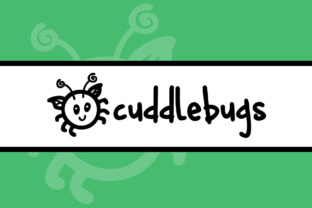
The difference was immediate. Cuddlebugs is a fun handwritten font that instantly injected the missing element of joy into the interface. As a web designer, I am often hesitant to introduce script fonts into functional digital products because of readability concerns on smaller screens. However, this typeface struck a surprising balance. It retained the organic, imperfect charm of hand-lettering while maintaining enough structural integrity to work as a display font in a responsive environment. It did not just fill space; it established an emotional connection before the user even read the subheadline.
Evaluating Readability in Digital Hero Sections
When integrating any creative font into a website, my first checkpoint is always legibility across devices. Handwritten fonts can be notoriously difficult to parse at small sizes or on low-resolution displays. During my testing phase with Cuddlebugs, I focused specifically on how it performed in high-impact areas like the main banner and section headers.
I found that Cuddlebugs excels when given room to breathe. In the hero section, setting the font size to 4rem on desktop and 2.5rem on mobile allowed the unique letterforms to remain distinct. The open counters and generous x-height prevented the characters from blurring together, which is a common failure point for many script fonts in the Script Amp category. On a dark background with white text, the contrast remained sharp, ensuring accessibility standards were met without needing to artificially bold the strokes, which can sometimes distort the delicate nature of a handwritten style.
However, I quickly learned where to draw the line. While Cuddlebugs is fantastic for headlines, short phrases, and decorative accents, it is not suitable for body copy. Attempting to use it for paragraphs larger than two lines caused scanning fatigue during usability tests. The solution was clear: reserve this premium font for moments of emphasis and delight, such as testimonial pull quotes, limited-time offer badges, or the primary value proposition, while keeping long-form content in a highly readable sans serif font.
Strategic Font Pairing for Youth Branding
A standalone display font rarely works in isolation. To build a polished online brand experience, Cuddlebugs needed a reliable partner. For this specific project, I paired it with a neutral, humanist sans serif for the UI elements and body text. This combination created a visual hierarchy that guided the user’s eye naturally. The playful energy of Cuddlebugs drew attention to key conversion points, while the structured supporting typeface provided the necessary context and trust signals.
- Headlines: Cuddlebugs for emotional hooks and brand voice.
- Navigation: Clean sans serif for wayfinding and utility.
- Buttons: Simple uppercase sans serif for clear call-to-action labels.
- Captions: Neutral serif or sans serif for image descriptions.
This pairing strategy is particularly effective for youth branding, coaching websites, and boutique online stores. It prevents the design from looking juvenile or unprofessional. By anchoring the whimsy of Cuddlebugs with modern typography staples, the overall aesthetic feels intentional and curated rather than chaotic. For a course sales page, for example, using Cuddlebugs for the course title creates excitement, while the curriculum list remains crisp and scannable in the secondary font. This duality is essential for converting visitors who need to feel both inspired and informed.
Practical Applications Across Digital Touchpoints
Beyond the main landing page, I explored how Cuddlebugs could unify the broader digital ecosystem. Consistency is key to brand identity, and having a versatile creative font allows for cohesive storytelling across various assets. I utilized the typeface in social media graphics templates, email newsletter headers, and digital ad overlays. Because the font has a distinct personality, it acts as a visual shorthand for the brand, making content instantly recognizable in crowded feeds.
For a portfolio homepage or a creative agency site, Cuddlebugs offers a way to break out of the grid-based rigidity that dominates web design. Using it for overlay text on photography adds a layer of intimacy and craftsmanship. In an e-commerce context, I tested it on product tags and "New Arrival" banners. The handwritten style mimics the personal touch of a note included in a package, bridging the gap between physical retail warmth and digital convenience. This subtle psychological cue can enhance perceived value and foster brand loyalty.
Technical Considerations for Web Implementation
Before committing Cuddlebugs to a live production environment, there are several technical factors to verify. As with any commercial font intended for web use, checking the licensing is non-negotiable. Ensure the license covers web embedding for the expected traffic volume and includes rights for digital ads and social media if you plan to use it across those channels. Many designers overlook this and face compliance issues later when a client's site scales.
File format and performance also matter. I recommend using WOFF2 files for the fastest loading times. Since handwritten fonts often contain complex vector paths, they can be heavier than standard system fonts. Implementing font-display: swap in your CSS ensures that text remains visible during loading, preventing layout shifts that hurt Core Web Vitals. Additionally, check for multilingual support if your project targets a global audience. Not all script fonts include extended character sets, and falling back to a system font mid-word can break the immersive experience you have worked so hard to create.
Finally, explore the included alternates and ligatures. Cuddlebugs may offer swashes or contextual alternates that allow you to customize the flow of specific words. In logo design or static hero images, these details can elevate the typography from generic to bespoke. Taking the time to manually adjust kerning and select the right alternates demonstrates the level of care that defines high-end digital product creation. When used thoughtfully, Cuddlebugs transforms from a simple asset into a cornerstone of a memorable, user-centric brand identity.